6-Day Katavi Fly-In Wilderness Safari
Five nights in one of Tanzania's wildest, least-visited parks: plains, rivers, hippos and buffalo, far from the usual route
Overview
Katavi is for travellers who do not need the safari to be famous before they trust it. It is quiet, wild and powerful because it has stayed far from the usual route.
This 6-Day Katavi Fly-In Wilderness Safari is for travellers who want one destination done properly. Instead of combining several parks, it gives you five nights in Katavi National Park: time for long game drives, slow tracking, photography and a real sense of remote wilderness.
Katavi is not a mainstream safari destination. It lies in Western Tanzania and was a game reserve before it became a national park in 1974. It appeals to travellers who want space, few vehicles and a safari that feels a long way from the usual circuit.
It works as a standalone wilderness safari, or as the next trip for guests who have already seen the Serengeti, Ngorongoro and Zanzibar. If you want chimpanzees too, it combines naturally with Mahale.
The price starts at $6,250 per person sharing, based on Katavi Wildlife Camp, scheduled flights and five nights full board. Chada Katavi, the luxury upgrade, quotes higher. Because Katavi is remote, we confirm flights, camp availability, park fees and luggage limits before we quote.
Right for you if you are…
- Repeat safari travellers
- The next step after the classic Northern Circuit.
- Serious wildlife lovers
- Quiet parks, few vehicles and big-game drama.
- Photographers
- Space, light and time to wait for the moment.
- Couples and honeymooners
- An unusual wilderness escape, far from the crowds.
- Luxury adventure travellers
- Comfortable camps, remote logistics handled for you.
- Single-park purists
- Depth in one place instead of many quick transfers.
Physical rating
Easy, level 1 of 3
Mostly game drives, with optional walks. Suitable for most travellers comfortable on small aircraft.
- Game drives can be long, on bumpy tracks, and hot in September and October.
- Walks, where offered, are at an easy pace with an armed ranger.
- Light-aircraft flights at each end, with strict luggage limits.
Where the trip goes
A scheduled light-aircraft flight from Dar es Salaam or Arusha to Katavi, five nights in the park, and the same flight back. Everything in between happens on the plains.
ArushaDay 1 · Day 6
One of the two starting points. The flight routing for your dates decides which one you use.
Dar es SalaamDay 1 · Day 6
The other starting point, and a good place for a buffer night before an international flight.
KataviDays 1–6
Five nights at Katavi Wildlife Camp on the Katisunga Plain: game drives, walks and the plains to yourself.
Flights to Katavi run on set days and usually stop on the way; we confirm the routing and luggage limits on your quote. Open Katavi National Park in Google Maps
Day by day
Day 1
Fly to Katavi National Park
Your Western Tanzania safari begins with a light-aircraft flight from Dar es Salaam or Arusha, whichever routing works best for your dates. Flights to Katavi run on set days of the week, so the whole itinerary is built around the confirmed schedule. Pack in soft-sided bags, within the aircraft's luggage limit.
The camp team meets you at the airstrip. Katavi Wildlife Camp is close to the main airstrip, on the edge of the Katisunga Plain, so the transfer is short, and it can already bring buffalo, giraffe or elephant on the way in.
After lunch and time to settle in, you can head out on a short afternoon game drive if the flight lands early enough. The first day stays relaxed: the journey itself is part of the experience.
Dinner is served at camp, with the plain in front of you. It is a first taste of the silence and scale of Katavi, a long way from Tanzania's busier routes.
Day 2
A full day in Katavi
After breakfast you set out on your first full day in Katavi. Your guide plans the day around where the game is moving, the weather, how much water is left and what you most want to see.
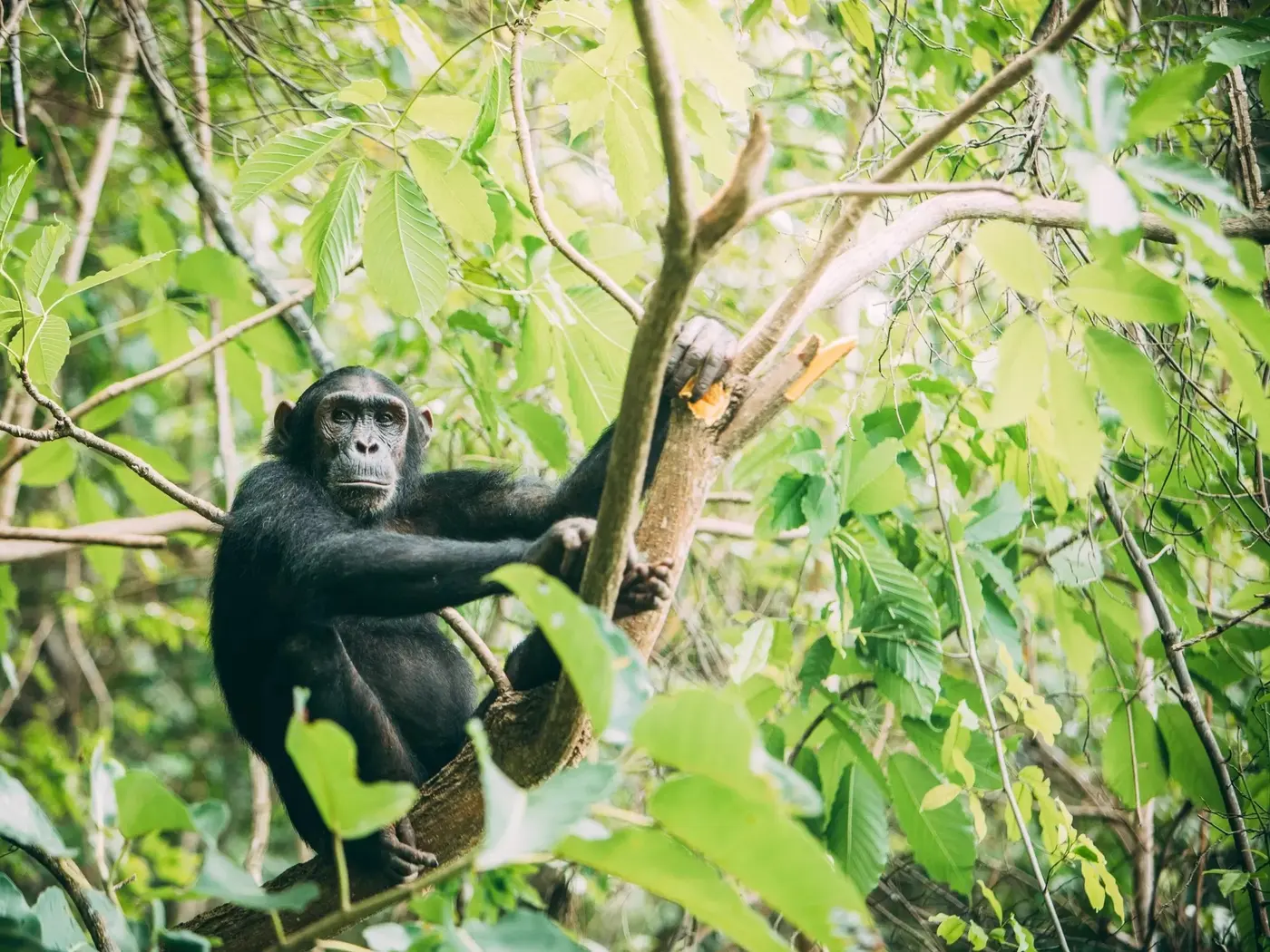
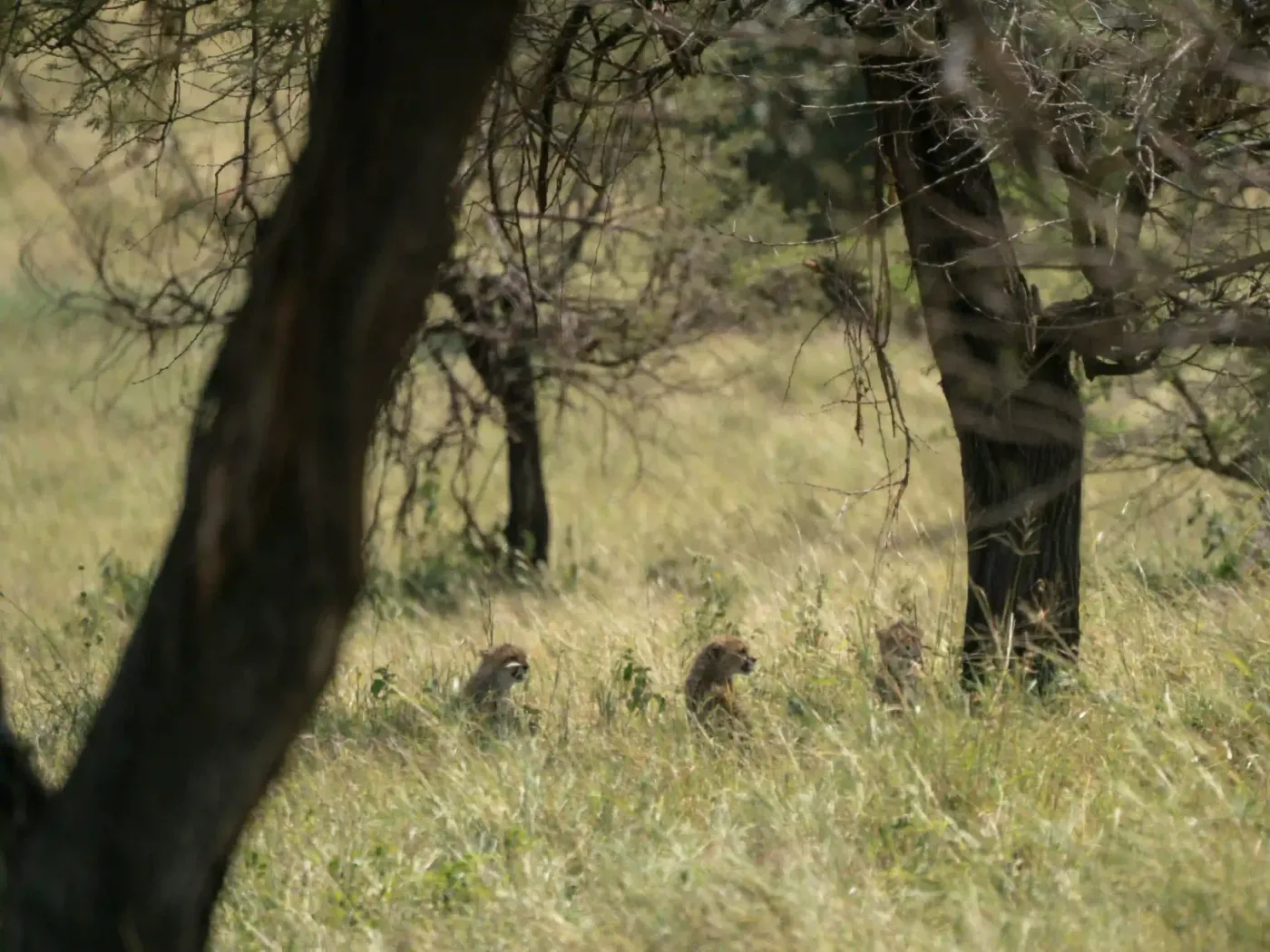
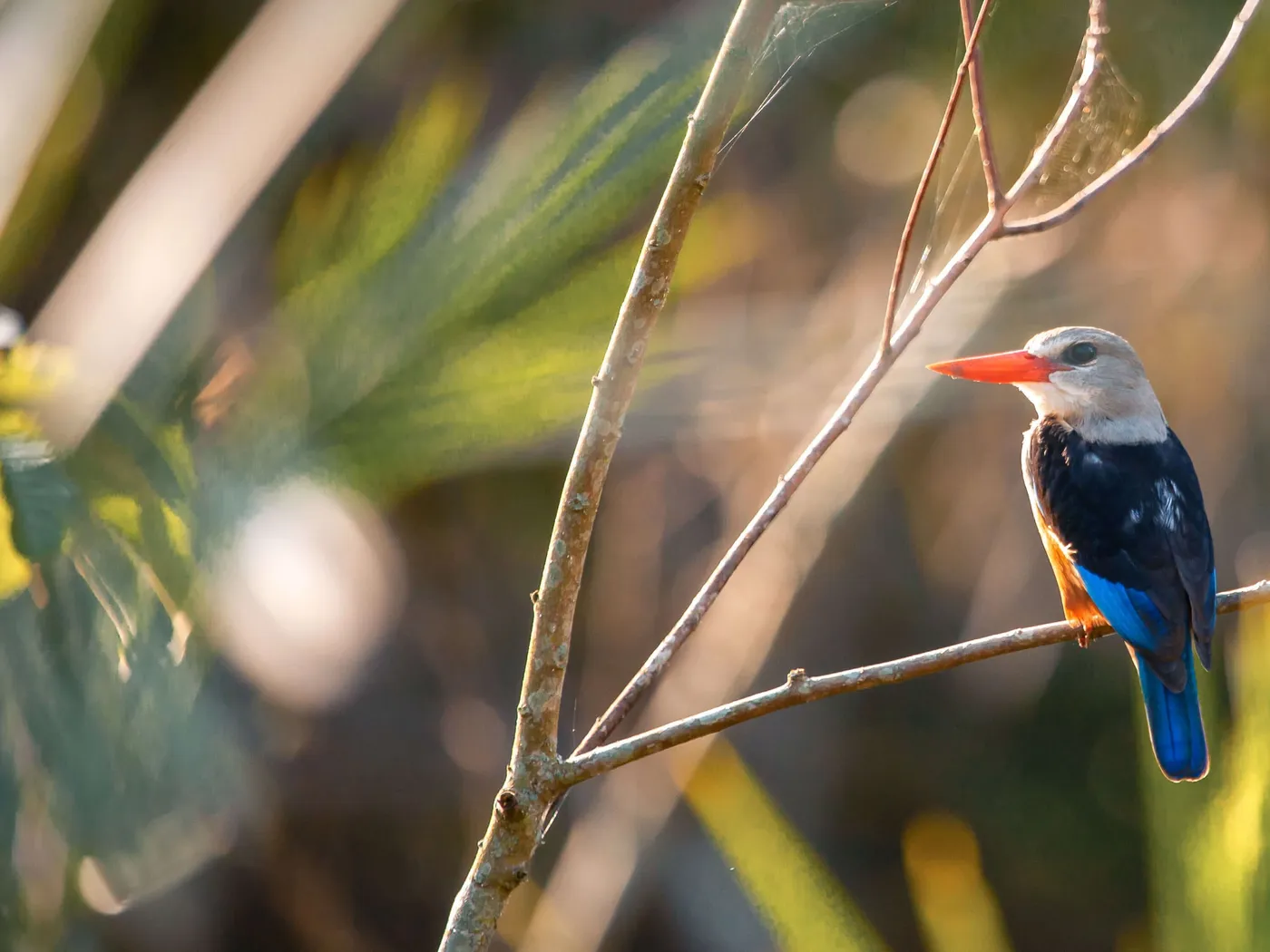
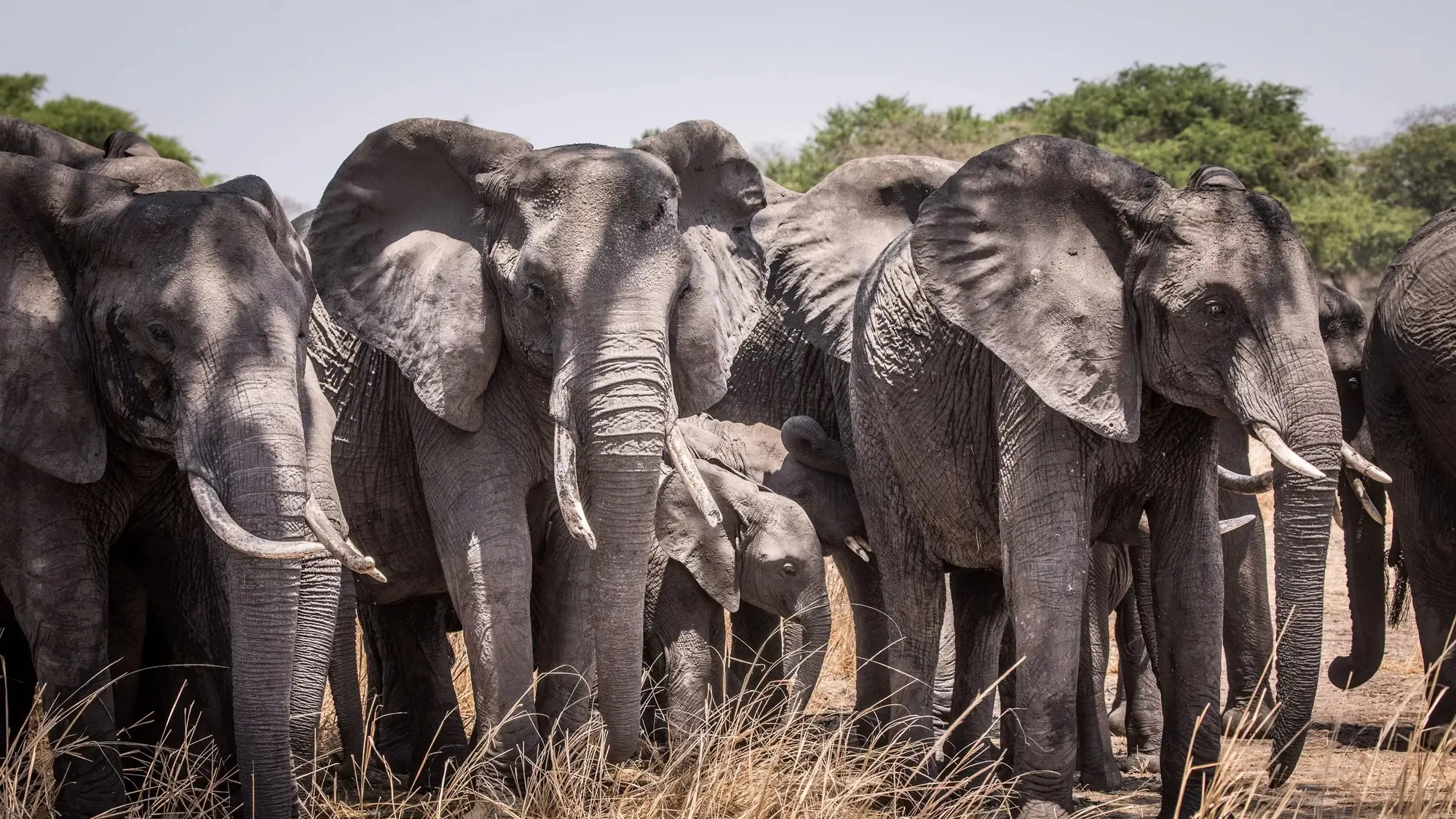
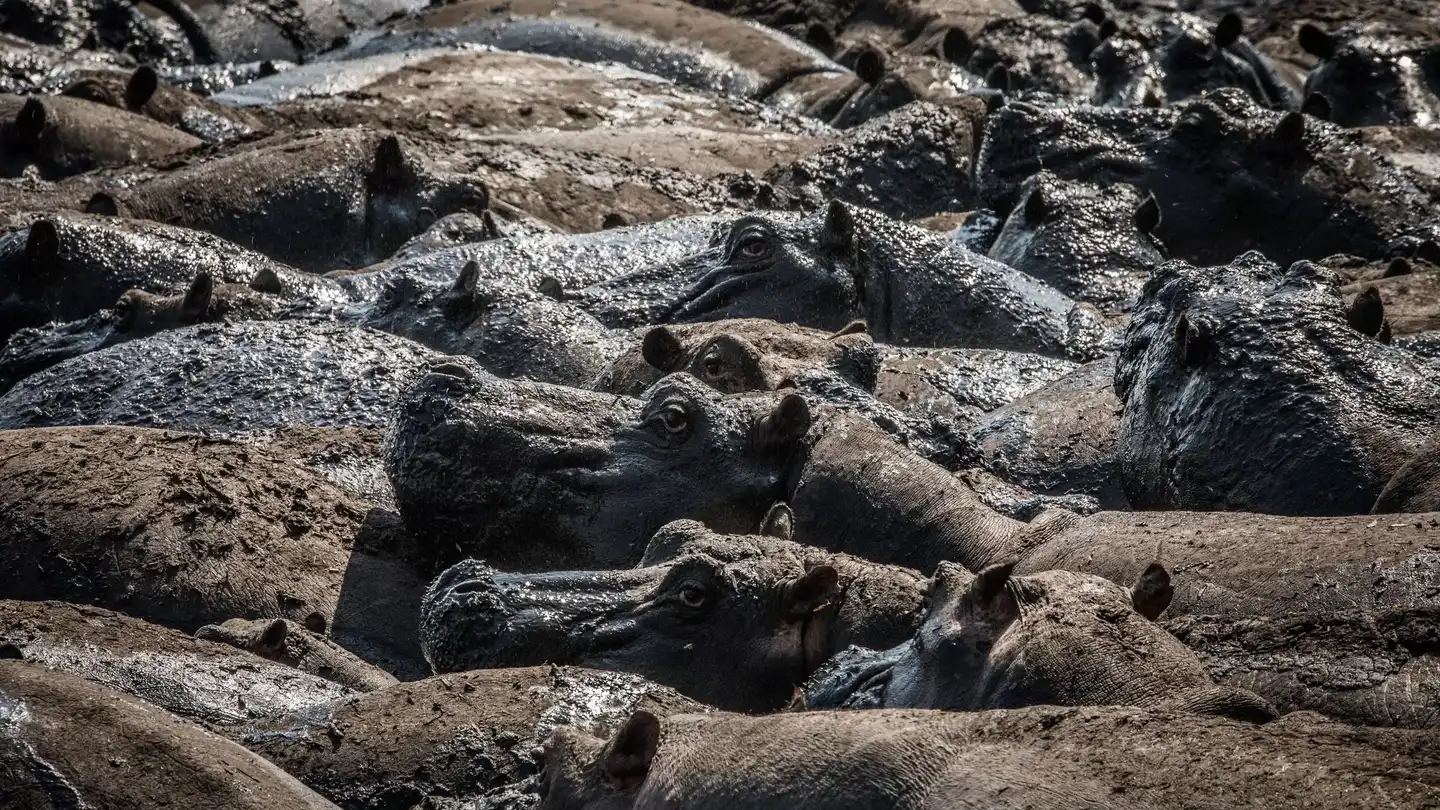
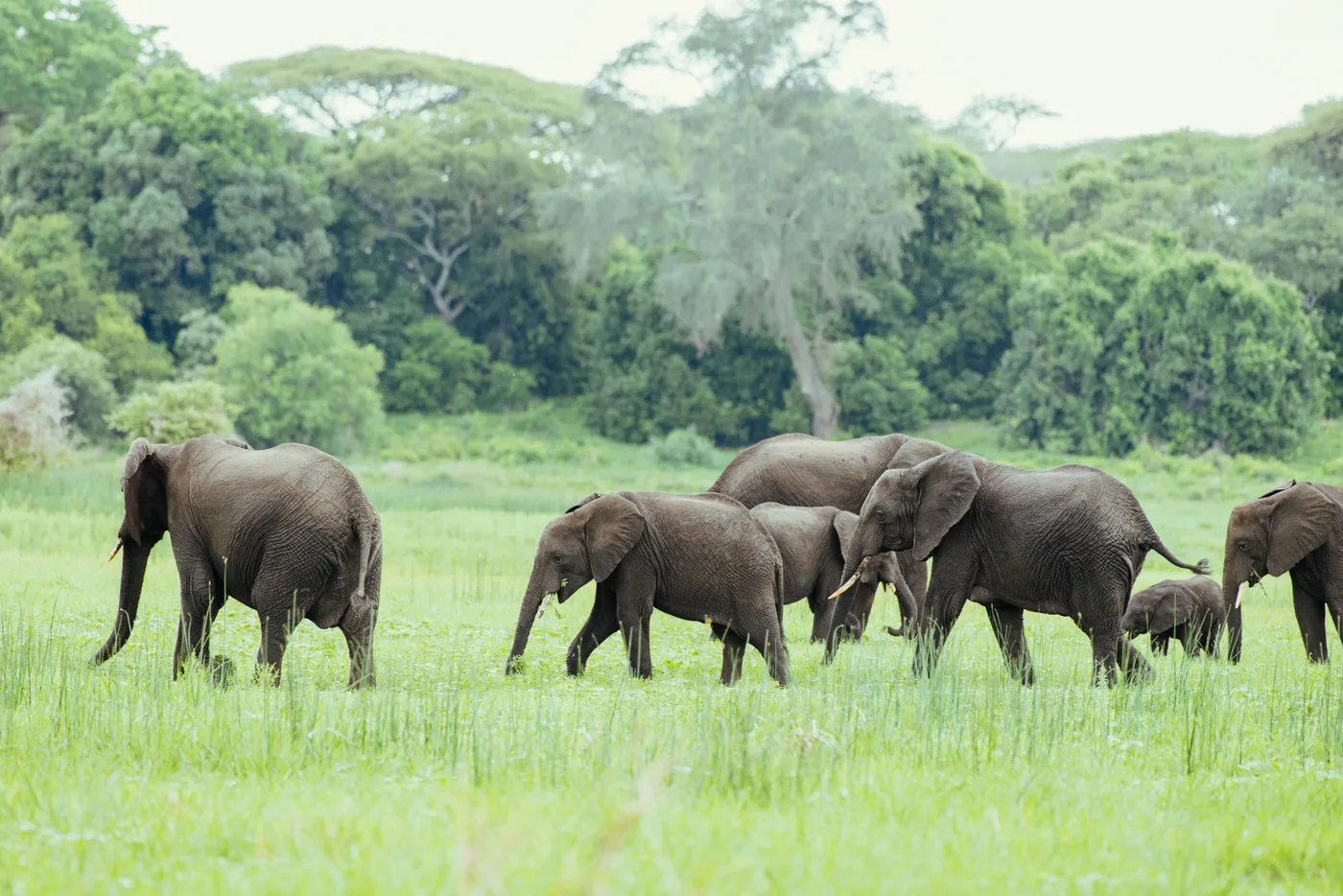
Depending on the season, game drives explore the Katisunga Plain, the woodland, the river and the open floodplains. Possible sightings include elephant, buffalo, giraffe, zebra, topi, hippo, crocodile, lion, leopard, hyena and a wealth of birds.
Katavi is not about racing from one cluster of vehicles to the next. It is about space and patience, in a wild place with few interruptions, which is exactly why photographers love it: sightings often feel private.
You return to Katavi Wildlife Camp in the afternoon or evening, depending on how the day runs, for dinner and a quiet night in the wilderness.
Day 3
Tracking and remote wilderness
A second full day lets you understand Katavi more deeply. Your guide may head for a different part of the park, or return to an area that was productive yesterday. With five nights in one park, there is no need to rush.
The seasons shape Katavi strongly. In the dry months wildlife concentrates on the last of the water; in greener months the scenery softens and the birding is excellent. The day's plan follows the season.
If the camp and park rules allow, a guided walk can be added at extra cost. Walking rules, fees and availability change, so we confirm them before the final quote.
This is a day for tracking, watching and learning how a quieter ecosystem works, and for photography, because there is time to wait for the moment instead of moving on.
Day 4
Rivers, floodplains and big-game country
Day four focuses on the park's strongest seasonal areas. Depending on water levels and the latest sightings, your guide may follow the Katuma River, the floodplains, the woodland edges or the country where buffalo, elephant and predators have been moving.
Katavi's power is its scale: wide open plains with very few other vehicles, and a safari mood that feels private and old-fashioned. It is the reason serious safari travellers come west.
A picnic lunch can be packed if your guide recommends staying out all day. Otherwise you return to camp for lunch and a rest, and head out again in the afternoon, when the light and the wildlife improve.
Back at camp in the evening there is dinner, and by now it is usually clear why Katavi is best as a slow wilderness safari, not a quick stop.
Day 5
Your final full day in Katavi
Your last full day is shaped around what has been most rewarding so far. Some guests want another search for predators; others prefer elephants, hippos, birds, landscapes or a slower day with the camera.
Because the itinerary avoids constant transfers, your guide has time to work with your interests. That is the great advantage of a single-park safari in the far west: depth instead of movement.
If you'd like a walk or a private vehicle for the day, this is often the best day for it, subject to park rules and confirmed cost. Anything extra is listed clearly on your quote.
Enjoy a final dinner at Katavi Wildlife Camp and a last night in one of Tanzania's quietest safari regions.
Day 6
Katavi to Dar es Salaam or Arusha
After breakfast you check out and transfer to the airstrip for your scheduled flight back to Dar es Salaam or Arusha. There may be some game viewing on the short drive, but we won't promise it.
Remote flight schedules can shift, so avoid a tight same-day international connection unless the confirmed schedule leaves a safe buffer. A night in Dar es Salaam or Arusha is easy to add.
That is the end of your 6-Day Katavi Fly-In Wilderness Safari with Warriors of Africa Safari. From here you can fly home, connect to Zanzibar, add Mahale for chimpanzee trekking, or build a longer Western Tanzania journey.
Where you’ll sleep
Katavi Wildlife Camp
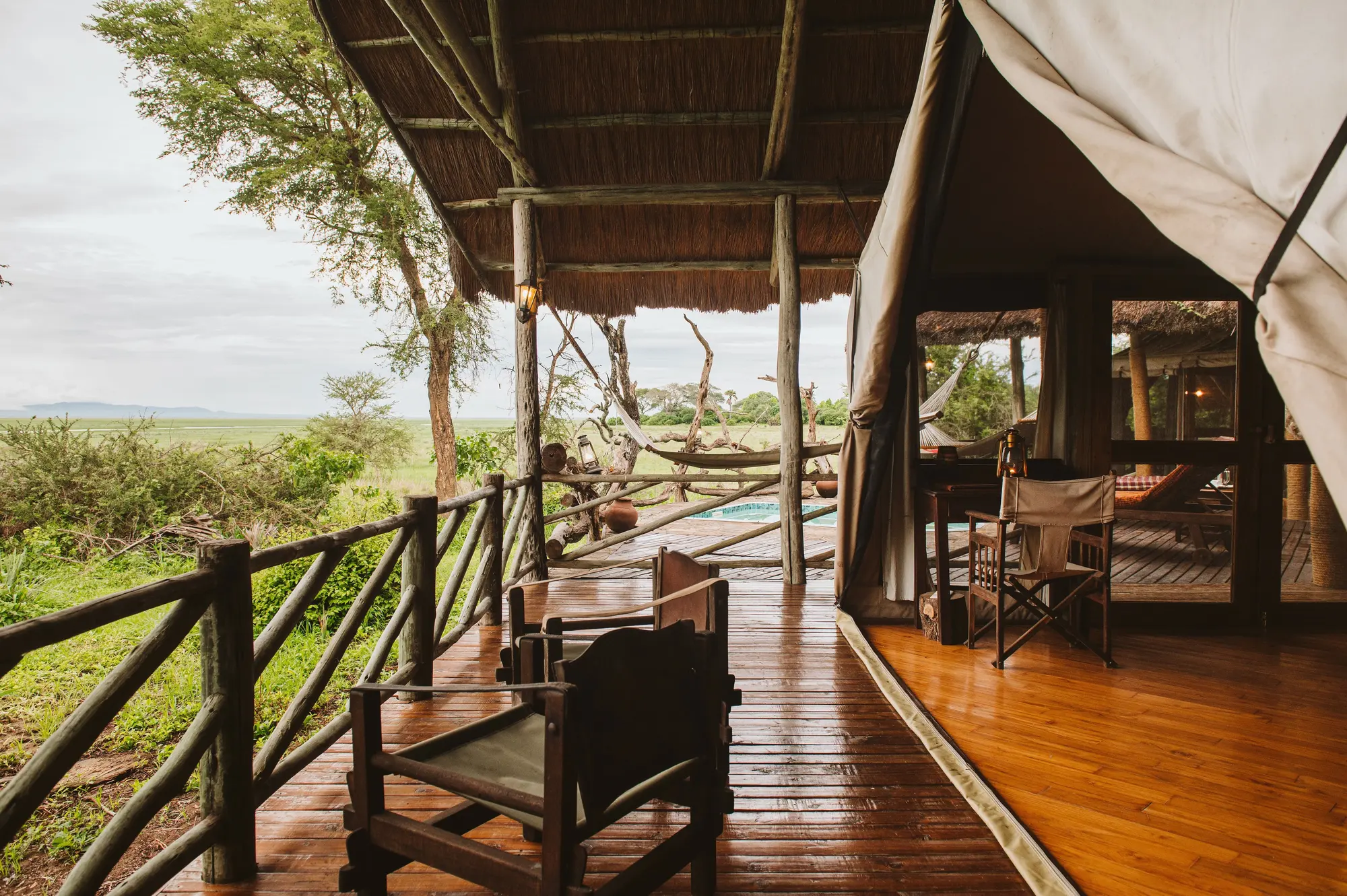
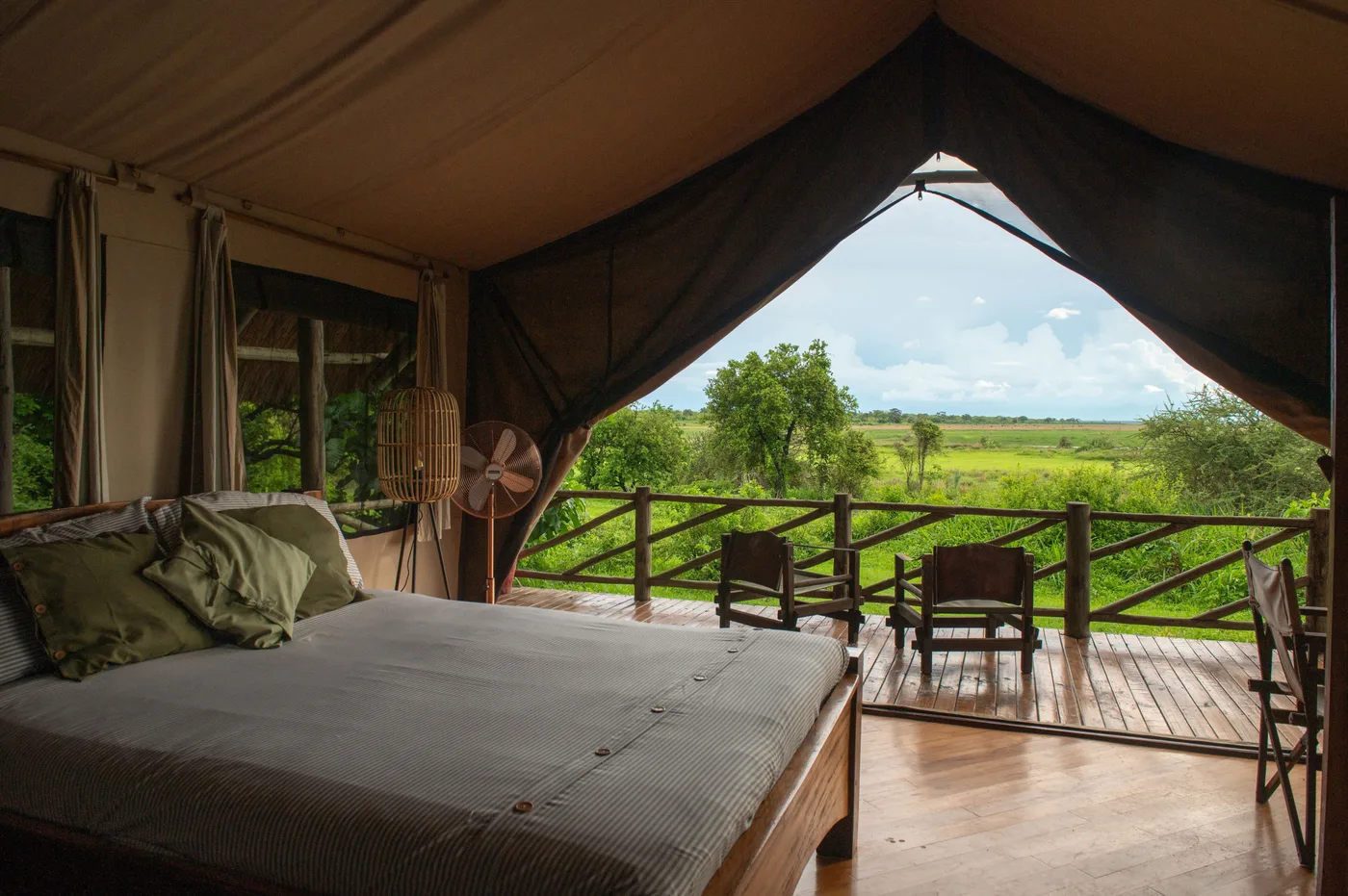
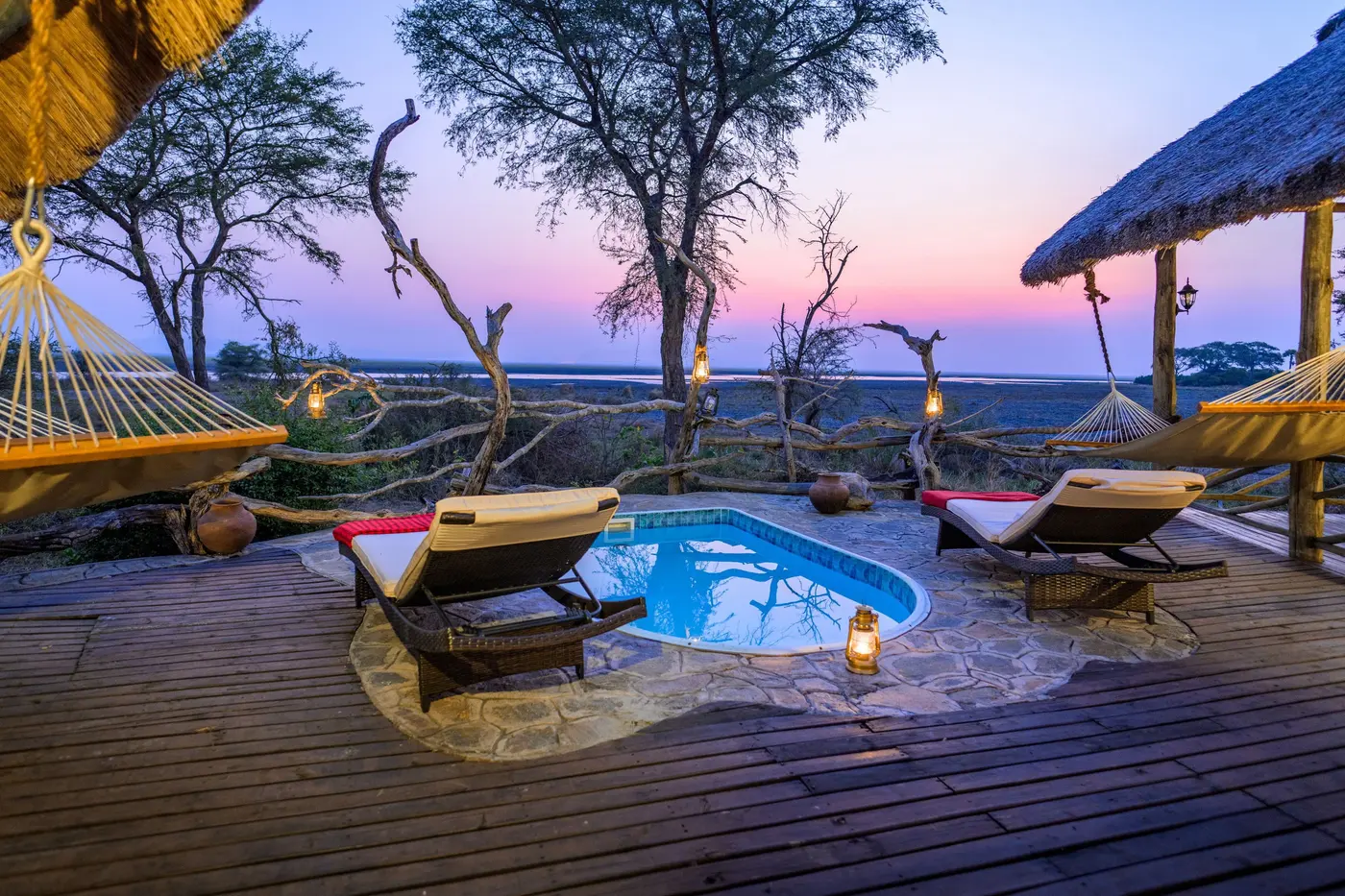
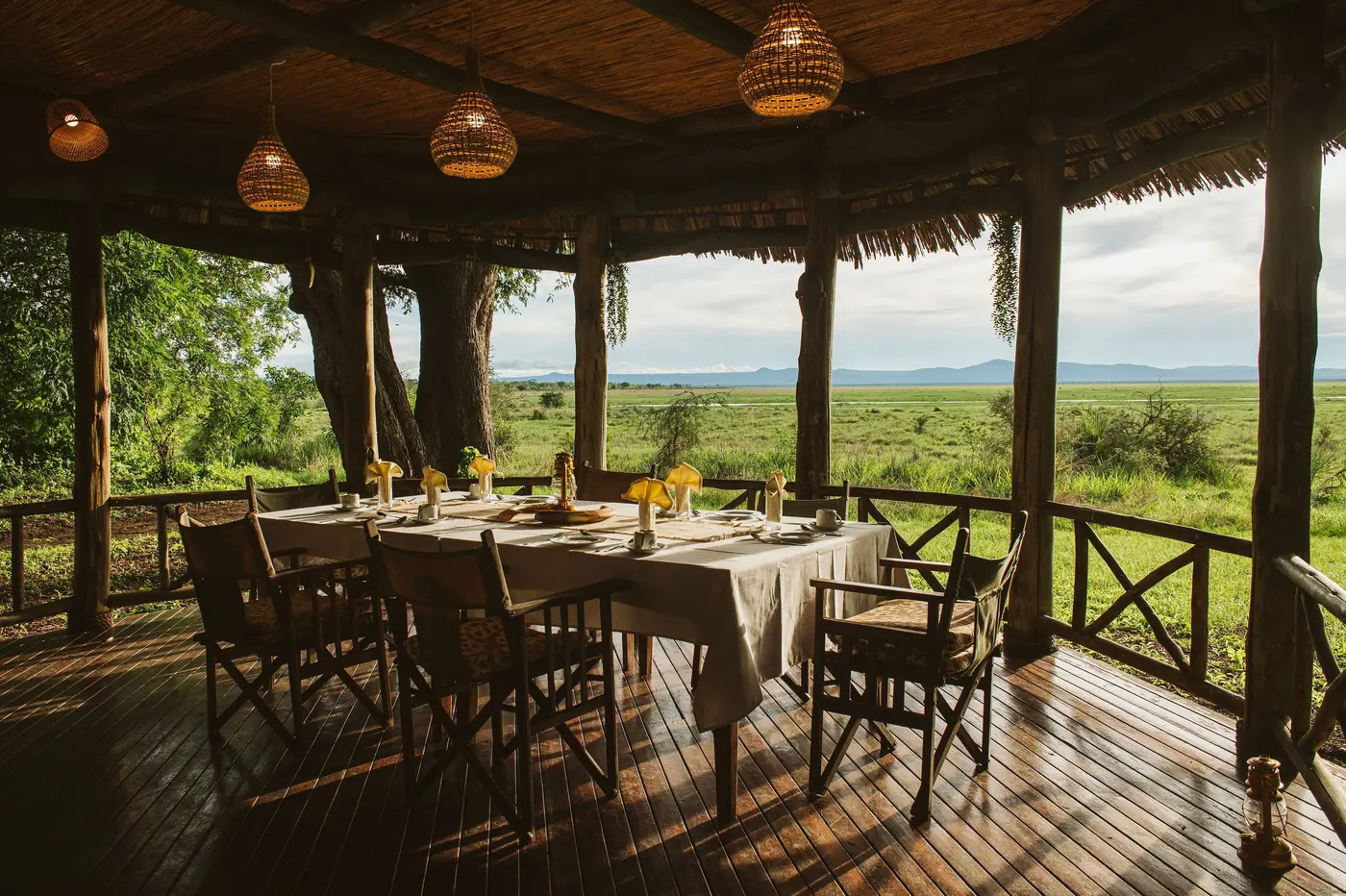
Six Meru-style tents and two family suites with their own plunge pools, on the edge of the Katisunga Plain near the main airstrip. Each tent has a veranda with hammocks looking straight out over the plain, and the two-storey thatched lounge doubles as a lookout.
It is run by Foxes Safari Camps, whose own Safari Air Link flies guests in, and it is the stay the published price is based on. Chada Katavi is the luxury upgrade, and Mbali Mbali Katavi the alternative.
Accommodation is confirmed against availability, flight days, season and budget before the final quote.
Read about Katavi Wildlife Camp
Prefer a different camp?
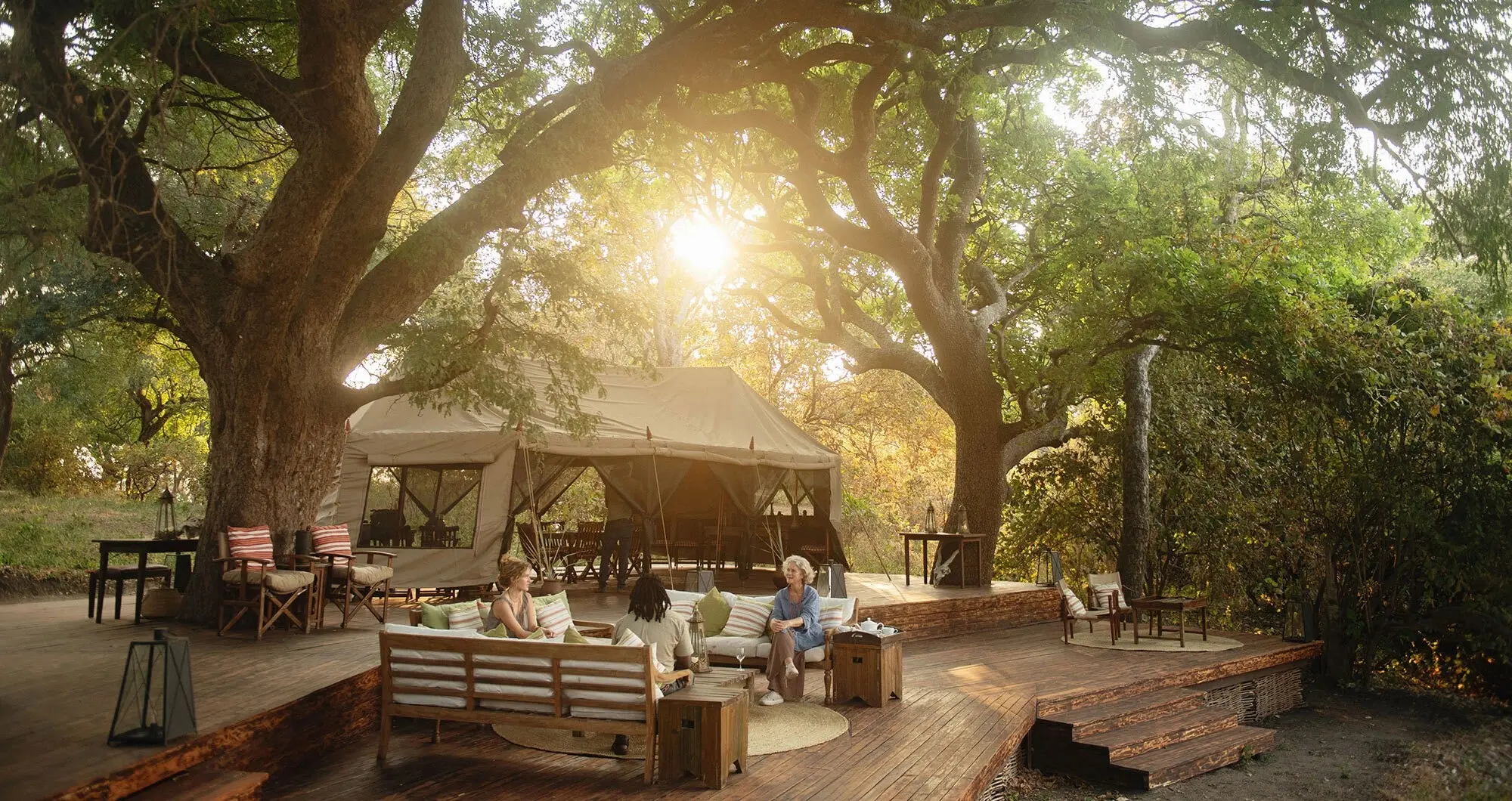
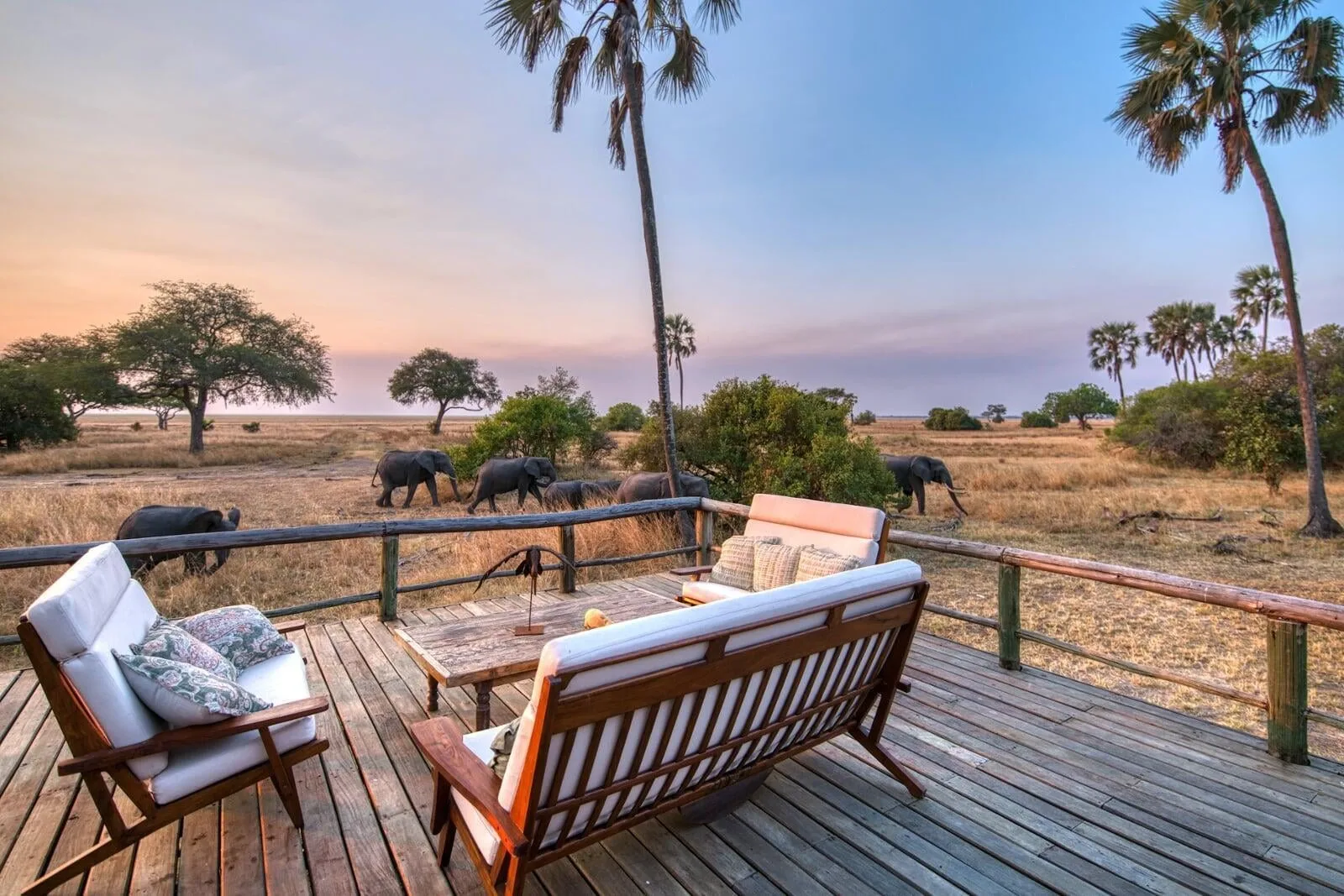
Katavi has only a few camps. Chada Katavi is the luxury upgrade, open June to November for guests aged 12 and over; Mbali Mbali Katavi is the alternative, and pairs easily with Mahale.
What’s included
Usually included
- Meet and assist in Dar es Salaam or Arusha
- Domestic flights based on the final confirmed routing
- Airstrip transfers in Katavi
- Five nights at Katavi Wildlife Camp, or your chosen camp
- Meals as per the camp package, usually full board on safari
- Scheduled game drives and activities in the camp package
- Park and conservation fees based on the quoted itinerary
- Drinking water during safari activities
- Government taxes and standard tour handling
Not included
- International flights
- Tanzania visa
- Travel insurance
- Tips for guides, camp staff and porters
- Premium drinks unless included by the camp
- Private vehicle or private guide unless quoted
- Walking safaris, night drives or special activities unless clearly included
- Extra hotel nights in Dar es Salaam or Arusha
- Laundry unless included by the camp
- Personal expenses and any item not clearly listed as included
Final inclusions are confirmed on your quote.
Before you go
Visa and entry
Choose your passport to see the visa you need.
- Passport valid for at least six months, with at least one unused visa page.
- Show your return or onward ticket on arrival.
- One visa covers both mainland Tanzania and Zanzibar. Choose your first stop on the form.
- Every passport holder, including children, needs their own application.
- Online applications are processed in about 10 days. Apply only through the official portal.
- Yellow fever vaccination may be required if you arrive from or transit certain countries.
Useful tips
- Pack soft and light
- Light aircraft carry soft-sided bags only, within a strict weight limit. We confirm the exact allowance with your flights.
- The flights set the dates
- Scheduled flights to Katavi run on set days of the week, so the length of the trip follows the schedule. Charters fly any day, at a price.
- Dress for heat and dust
- Late in the dry season Katavi is hot and dusty. Neutral, breathable layers, a hat and a buff for the dust are worth packing.
- Bring binoculars and a long lens
- Sightings can be far across the plains. Binoculars for everyone, and a long lens if you shoot, make a real difference.
- Leave a buffer at the end
- Remote flight schedules can change. Avoid a tight international connection on Day 6; a night in Dar es Salaam or Arusha is the safe buffer.
- Tips aren't included
- Gratuities for guides, rangers and camp staff aren't part of the price, so set a little aside for them.
- Bring insurance details
- Travel insurance isn't included. Keep your policy details with you, printed and on your phone.
- Ask your doctor about malaria
- Discuss malaria prevention with your doctor before you travel. Tsetse flies are common in the woodland, so pack repellent and avoid dark blue and black clothing.
Packing list
Tick things off as you pack; your list is kept on this device. 0 of 27 packed
When to go
June to October is the strongest window. The dry season concentrates wildlife on the river and the last pools, and game viewing builds to a peak in September and October.
November to March is greener and quieter, with good birding. It suits flexible travellers once we have confirmed which camps and flights are operating.
April and May are the wettest months, when access and operations are limited and most camps are closed.
Questions guests ask
Is Katavi worth visiting?
Yes, especially for repeat safari travellers, photographers and guests who want remote wilderness with few vehicles. It is not the most famous safari in Tanzania, and that is part of its value.
Is this a luxury safari?
It is a premium safari. Katavi is remote, flights are expensive and there are few camps. The starting price is based on Katavi Wildlife Camp; Chada Katavi is the luxury upgrade.
Can first-time safari travellers book Katavi?
Yes, as long as you know it is a remote wilderness trip rather than a highlights route. Many first-timers still prefer the Serengeti and Ngorongoro first.
Why is Katavi more expensive than some other safaris?
The cost comes from the light-aircraft flights, the small number of camps, park fees, remote operations and the low number of visitors.
What wildlife can I see in Katavi?
Possible sightings include elephant, buffalo, giraffe, zebra, antelope, hippo, crocodile, lion, leopard, hyena and many bird species. Sightings are natural and cannot be guaranteed.
Are activities private or shared?
That depends on the camp. Most remote camps run scheduled shared activities; a private vehicle or private guide usually costs extra.
Can I add Mahale after Katavi?
Yes. The two parks share flights, so adding Mahale makes a strong Western Tanzania itinerary with both big game and chimpanzee trekking.
What luggage should I bring?
Soft-sided bags only. Light aircraft have strict luggage limits, which we confirm with the operating airline for your flights.
What is the best time to visit Katavi?
June to October, the dry season, for the strongest game viewing. Other months can work for flexible travellers once camp and flight operations are confirmed.
Request this safari
Ready to experience Tanzania far from the usual safari route? Tell us your dates and we will confirm the flight routing, camp availability, park fees, activities and any extensions, then send a line-item quote for the trip.
From $6,250 per person
- You send the request. As shown, or with your changes.
- We check it for your dates. Flights, camp availability and park logistics, then a line-item quote.
- You confirm. A deposit holds the flights and camp. How booking works
Prefer to talk? WhatsApp +255 758 328 750 or info@warriorsofafricasafaris.com